
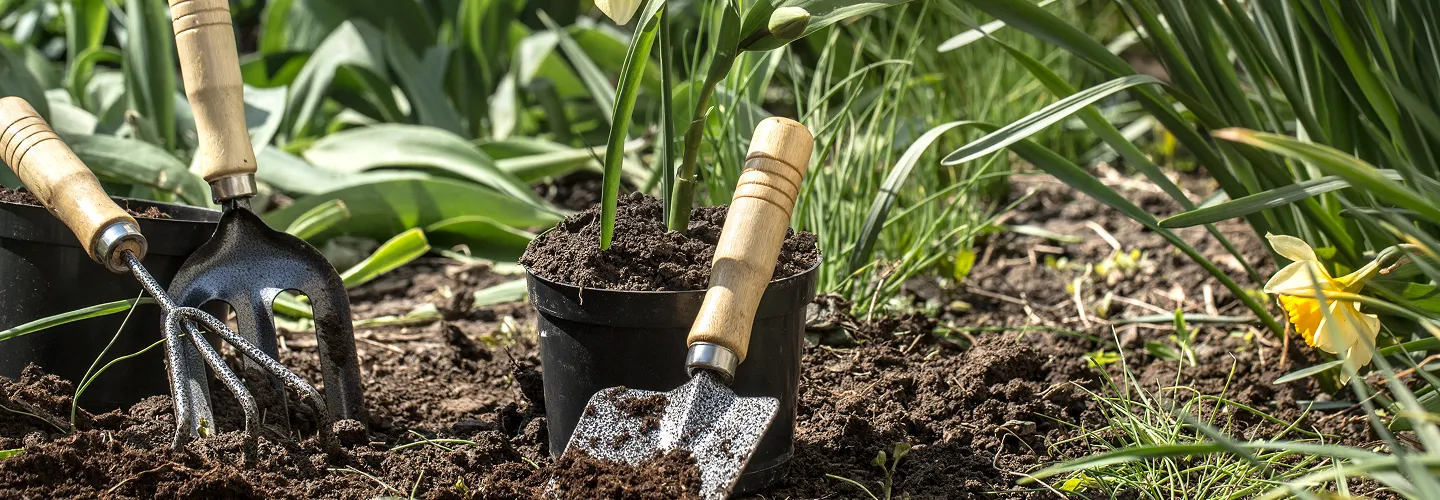
Snellville Flower Bed Maintenance Services
Choose our Flower Bed Maintenance for expert care, vibrant blooms, and a weed-free landscape—so you can enjoy a beautiful, healthy garden without the hassle.
Get a Free QuoteOur Snellville Landscaping & Yard Care Services
When to Schedule Flower Bed Maintenance in Snellville, Georgia – Seasonal Guide
In Snellville, Georgia, the best times for flower bed maintenance are closely tied to our unique climate and local landscape features. Early spring, just after the last frost date, is ideal for cleaning beds, refreshing mulch, and planting annuals, while late fall is perfect for preparing beds for winter and protecting perennials. The city’s humid summers and occasional droughts, especially in neighborhoods near Briscoe Park or along Scenic Highway, mean that timing your maintenance can make a significant difference in plant health and curb appeal.
Local factors such as heavy shade from mature oaks in Summit Chase, clay-heavy soils common in the region, and municipal watering restrictions all play a role in determining the optimal schedule. For more information on local environmental guidelines, visit the official resource.
Local Factors to Consider for Flower Bed Maintenance in Snellville
- Tree density and shade coverage, especially in established neighborhoods
- Soil type (clay vs. loam) and drainage
- Average precipitation and drought risk during summer months
- Frost dates and seasonal temperature swings
- Terrain and slope, which affect runoff and erosion
- Municipal watering restrictions and local ordinances
Benefits of Flower Bed Maintenance in Snellville
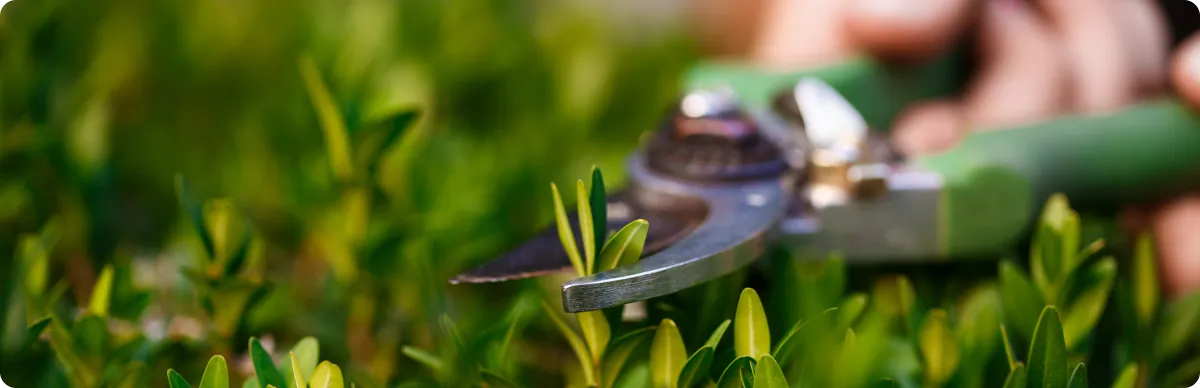
Enhanced Curb Appeal
Weed and Pest Prevention
Healthier Plant Growth
Seasonal Color Management
Professional Landscape Expertise
Time and Effort Savings
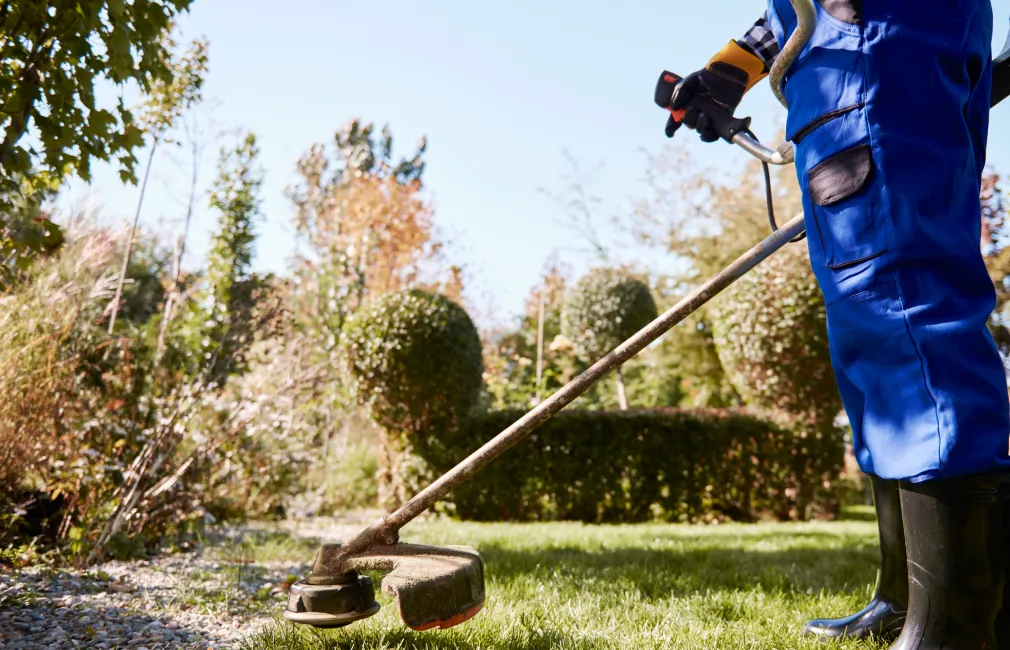
Snellville Flower Bed Maintenance Types

Seasonal Flower Planting
-
Weed Control Services
-
Mulch Installation
-
Soil Amendment
-
Edging and Trimming
-
Pest and Disease Management
-
Irrigation System Maintenance
Our Flower Bed Maintenance Process
Site Evaluation
Weed Removal
Soil Preparation
Plant Care
Mulching
Why Choose Snellville Landscape Services

Snellville Homeowners Trust Us
-
Comprehensive Lawn Maintenance
-
Reliable Scheduling
-
Experienced Local Team
-
Competitive Pricing
-
Satisfaction Guarantee
-
Personalized Service Plans
-
Eco-Friendly Solutions
Snellville's Piedmont Red Clay Soils and Flower Bed Drainage Management
Snellville sits within Georgia's Piedmont region, where the predominant soil series include Cecil, Appling, and Madison soils — all characterized by dense red clay subsoils with limited natural drainage capacity. According to the USDA Web Soil Survey, these soils typically exhibit slow to moderate permeability and a pH range of 5.0 to 6.0, making them moderately acidic. For flower bed maintenance, these conditions create specific challenges:
- Compacted clay restricts root penetration and causes standing water in low-lying beds after rainfall
- Organic matter amendments such as compost (2–4 inches incorporated to 6–8 inch depth) improve drainage and aeration
- Raised bed construction of 6–12 inches above grade is advisable in areas with persistent drainage problems
- Soil pH should be tested annually; lime applications may be needed to raise pH toward the 6.0–6.5 range preferred by most ornamental plants
UGA Cooperative Extension provides soil testing guidance and amendment recommendations tailored to Gwinnett County's Piedmont clay conditions.
Seasonal Timing for Flower Bed Maintenance in Snellville's USDA Zone 7b Climate
Snellville falls within USDA Plant Hardiness Zone 7b, with average minimum winter temperatures between 5°F and 10°F. The city's location in Gwinnett County means residents experience hot, humid summers with average July highs near 90°F and a growing season extending approximately from late March through early November. Effective flower bed maintenance requires timing work to these seasonal windows:
- Spring bed preparation: Begin soil amendment and mulch refresh in late March to early April, once soil temperatures consistently exceed 50°F
- Summer deadheading and edging: Perform every 2–3 weeks from May through August to manage aggressive warm-season growth
- Fall cutback: Reduce perennial stems and remove spent annuals in October–November before first frost, typically occurring between mid-November and early December
- Winter mulch application: Apply 2–3 inches of pine straw or shredded hardwood mulch in late November to insulate root zones
The National Weather Service Peachtree City forecast office provides local frost date and temperature data relevant to Snellville planting and maintenance scheduling.
Protecting Snellville Flower Beds Near Drainage Corridors and Stormwater Infrastructure
Snellville's developed landscape includes numerous stormwater detention ponds, drainage swales, and creek corridors — including tributaries feeding into Brushy Fork Creek and Yellow River watershed areas. Flower bed maintenance activities near these features must account for runoff risk and water quality protection under the Clean Water Act and Georgia's stormwater management framework administered by the Georgia EPD Watershed Protection Branch.
Practical precautions for beds within 50–100 feet of drainage features include:
- Avoid applying granular fertilizers or pre-emergent herbicides within 25 feet of storm drains, swales, or detention pond edges
- Use slow-release fertilizer formulations to reduce nutrient runoff potential
- Contain mulch within bed borders to prevent displacement into drainage channels during heavy rain events
- Sweep or blow fertilizer granules off hard surfaces immediately after application
Gwinnett County Water Resources administers stormwater management programs for unincorporated areas and coordinates with Snellville on drainage infrastructure maintenance. Property owners with beds adjacent to county-maintained drainage easements should verify setback requirements before installing or expanding bed areas.
Gwinnett County Water Resources
684 Winder Highway, Lawrenceville, GA 30045
Phone: (678) 376-6800
Official Website: Gwinnett County Water Resources
Snellville Code Enforcement Standards for Overgrowth and Bed Maintenance on Private Property
The Snellville Quality of Life & Code Enforcement division enforces property maintenance standards that directly affect flower bed upkeep. Unmanaged beds with excessive weed growth, dead plant material, or overgrown vegetation encroaching on sidewalks or rights-of-way may be subject to code violation notices. Key compliance considerations include:
- Vegetation must not obstruct pedestrian access along sidewalks or create sightline hazards at intersections
- Dead plant material and accumulated organic debris in front-yard beds are subject to nuisance vegetation provisions
- Beds along public rights-of-way must be maintained to prevent encroachment onto city-maintained surfaces
- Property owners in HOA-governed subdivisions may face additional community standards beyond city minimums
Residents who receive a code notice are typically given a defined correction period — often 10 to 30 days depending on violation severity — before re-inspection occurs. Confirm current timelines and specific ordinance provisions directly with the Code Enforcement division.
Snellville Quality of Life & Code Enforcement
2342 Oak Road, Snellville, GA 30078
Phone: (770) 985-3500
Official Website: Snellville Quality of Life & Code Enforcement
Selecting Heat- and Shade-Tolerant Plants for Snellville's Wooded and Open Bed Conditions
Snellville's residential landscape ranges from open, sun-exposed front yards in newer subdivisions along US-78 and Scenic Highway corridors to heavily shaded lots in older, tree-canopied neighborhoods. Plant selection for flower bed maintenance must account for these microclimatic differences, as well as the region's high summer humidity, which increases susceptibility to fungal disease in poorly ventilated beds. UGA Cooperative Extension recommends the following plant categories for Gwinnett County conditions:
- Full sun beds (6+ hours direct sun): Coneflower (Echinacea purpurea), Black-eyed Susan (Rudbeckia hirta), Salvia, Lantana, and Daylily perform reliably in Zone 7b heat
- Partial to full shade beds: Hosta, Liriope, Camellia, Oakleaf Hydrangea, and Hellebore tolerate Snellville's clay soils and reduced light
- Mulch depth: Maintain 2–3 inches of pine straw or shredded hardwood to suppress weeds and moderate soil temperature
- Spacing: Allow adequate air circulation between plants — typically 18–24 inches for medium perennials — to reduce humidity-driven fungal pressure
Avoid invasive species flagged by UGA Extension - Invasive Species, including English Ivy (Hedera helix) and Japanese Honeysuckle (Lonicera japonica), which are commonly found in Gwinnett County landscapes and can spread aggressively from maintained beds into adjacent natural areas.
What Neighborhoods Do We Serve Throughout Snellville, GA?
- Brookwood area (near Hwy 78 corridor): Newer subdivisions with compacted fill soils and open sun exposure; beds often require organic matter amendment and consistent mulch renewal to support plant establishment.
- Lenora Park vicinity: Established residential lots with mature tree canopy creating deep shade conditions; shade-tolerant plant selection and careful moisture management are priorities for bed maintenance.
- Sawyer Road and Scenic Highway neighborhoods: Mixed-age development with varying drainage patterns; some lots include low-lying areas prone to clay saturation following heavy rainfall events.
- Briscoe Park area: Proximity to Briscoe Park's recreational corridors and detention features means runoff management and fertilizer containment are particularly relevant for adjacent residential beds.
- Pate Road and Wisteria Drive subdivisions: Older established neighborhoods with significant tree canopy, leaf accumulation pressure, and root competition in planting beds requiring seasonal debris removal.
- Stone Mountain Highway (US-78) frontage neighborhoods: Higher-traffic corridors with right-of-way visibility requirements; front-yard bed maintenance must account for sightline compliance and pedestrian clearance standards enforced by Snellville's code division.