
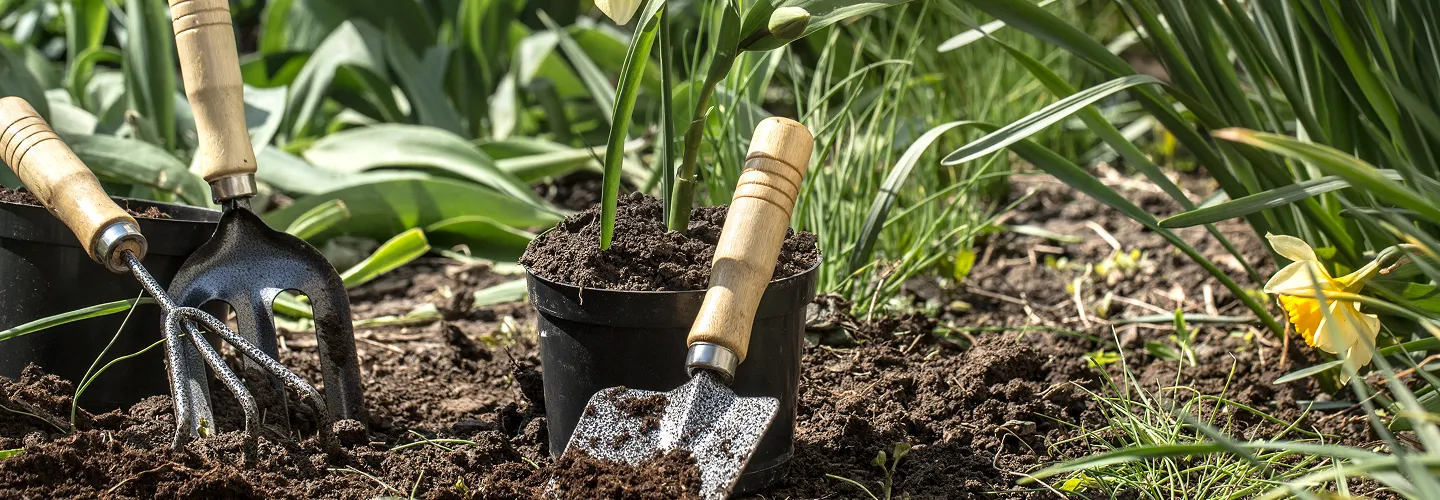
Snellville Weeding Services
Choose our expert weeding services for a healthier, more vibrant landscape—our experienced team ensures your garden stays pristine, saving you time and effort while protecting your plants from invasive weeds.
Get a Free QuoteOur Snellville Landscaping & Yard Care Services
When to Schedule Weeding in Snellville, Georgia – Seasonal Guide
In Snellville, Georgia, the best times to schedule weeding are typically in early spring and late fall, when local weather patterns are most favorable for effective weed control. The region’s climate, characterized by warm, humid summers and mild winters, means that weeds can thrive almost year-round, especially in neighborhoods like Brookwood Manor and Summit Chase where lush lawns and mature trees are common. Timing your weeding services to coincide with the last frost date—usually in late March—ensures that you target weeds before they have a chance to establish deep roots.
Local environmental factors play a significant role in determining the optimal weeding schedule. For example, areas near Briscoe Park or along the Yellow River may experience higher soil moisture and shade coverage, which can encourage weed growth. Conversely, properties with sandy or clay-heavy soils, common in the southern parts of Snellville, may require more frequent attention due to rapid weed germination after rainfall. Homeowners should also be aware of municipal guidelines and resources, such as those provided by Sudbury’s local government, to stay informed about best practices and any seasonal restrictions.
Benefits of Weeding in Snellville
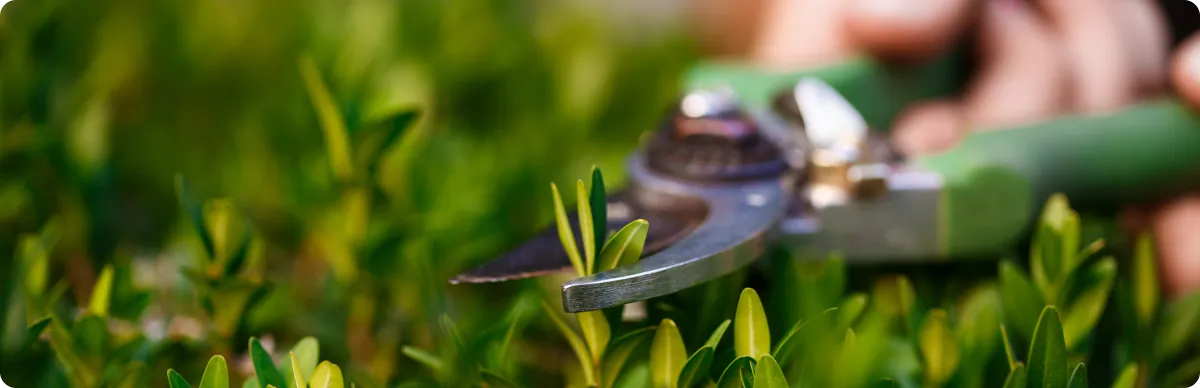
Enhanced Curb Appeal
Healthier Plant Growth
Weed Prevention Expertise
Eco-Friendly Landscaping Solutions
Time and Effort Savings
Professional and Reliable Service
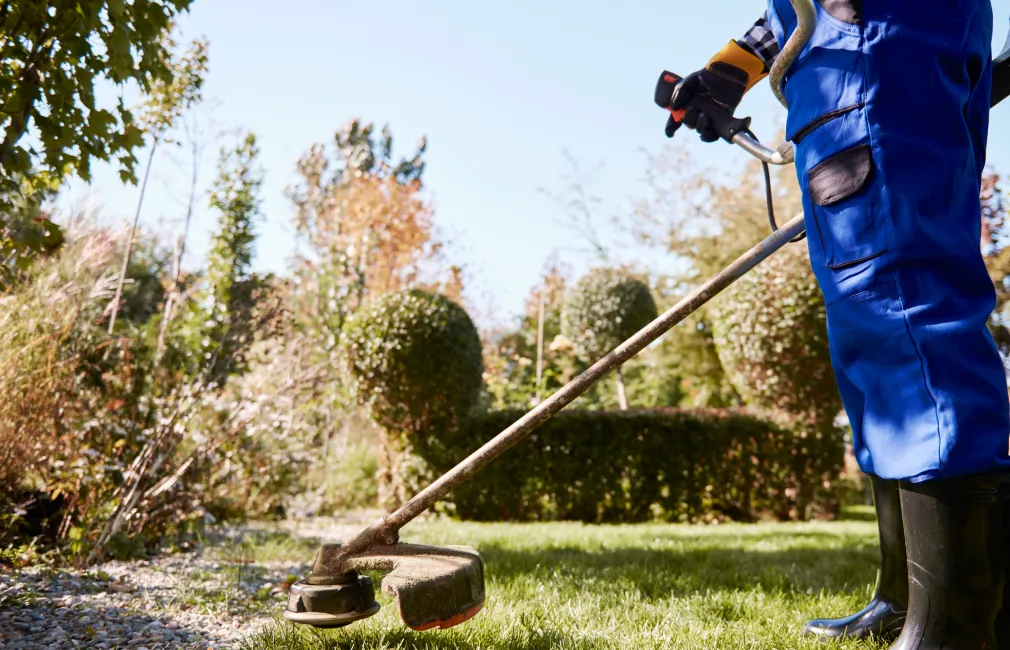
Snellville Weeding Types

Hand Weeding
-
Mulch Application
-
Pre-Emergent Weed Control
-
Post-Emergent Weed Spraying
-
Landscape Fabric Installation
-
Mechanical Weeding
-
Selective Herbicide Treatment
Our Weeding Process
Site Evaluation
Weed Identification
Targeted Removal
Soil Treatment
Final Inspection
Why Choose Snellville Landscape Services
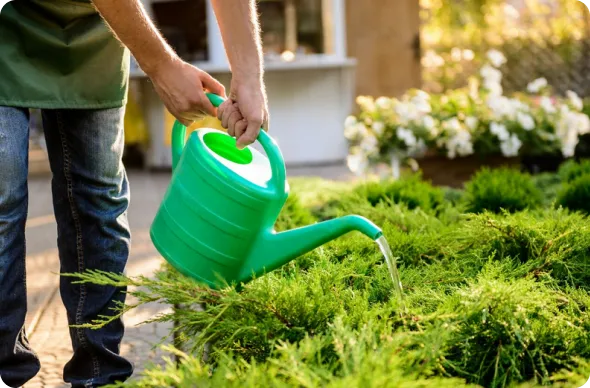
Snellville Homeowners Trust Us
-
Comprehensive Lawn Maintenance
-
Reliable Scheduling
-
Experienced Local Team
-
Competitive Pricing
-
Satisfaction Guarantee
-
Personalized Service Plans
-
Eco-Friendly Solutions
Snellville's Piedmont Red Clay Soils and Weed Pressure in Planting Beds
Snellville sits within Georgia's Piedmont region, where soils are predominantly Cecil and Appling series — dense, acidic red clay loams with pH values typically ranging from 5.0 to 6.0. These compacted soils create conditions that simultaneously suppress desirable plant root development and favor opportunistic weed species such as common chickweed (Stellaria media), wild violet (Viola sororia), and nutsedge (Cyperus spp.). Because clay soils retain moisture near the surface after rainfall, weed germination windows extend well into late spring and early fall. Property owners managing planting beds in Snellville should account for the following soil-related weeding challenges:
- Compacted clay limits hand-pulling effectiveness, often leaving taproots intact
- Nutsedge tubers persist in poorly drained low areas and re-sprout aggressively
- Soil pH below 5.5 can favor moss and broadleaf weed encroachment over turf
- Amending beds with compost improves drainage and reduces weed seed germination rates
Consult the USDA Web Soil Survey to identify the specific soil series on your property before selecting weeding methods or pre-emergent timing strategies.
Seasonal Weeding Windows for Snellville's USDA Hardiness Zone 7b Climate
Snellville falls within USDA Hardiness Zone 7b, with average minimum winter temperatures between 5°F and 10°F. The city's warm, humid summers — with average July highs near 90°F — and mild shoulder seasons create an extended weed growth period that typically spans from late February through November. Effective weeding in Snellville requires attention to two primary germination cycles:
- Cool-season weeds (henbit, chickweed, annual bluegrass): germinate in September–November; actively grow through March
- Warm-season weeds (crabgrass, spurge, nutsedge): germinate when soil temperatures reach 55–65°F, typically mid-March through April
- Pre-emergent herbicide applications for warm-season weeds are most effective when applied between late February and mid-March in Snellville
- Post-emergent hand-weeding is most productive in early spring before seed set and again in early fall before cool-season species establish
The UGA Cooperative Extension provides Georgia-specific weed identification guides and timing recommendations calibrated to Piedmont growing conditions. Monitoring soil temperature rather than calendar date is the most reliable indicator for pre-emergent timing in Gwinnett County.
Snellville Code Enforcement Standards for Overgrown Vegetation and Weed Compliance
The Snellville Quality of Life & Code Enforcement division enforces property maintenance standards that directly affect weed management obligations for residential and commercial property owners. Snellville's municipal code addresses nuisance vegetation, including overgrown grass, weeds, and brush that may create public health, safety, or aesthetic concerns. Property owners should be aware of the following compliance considerations:
- Grass and weeds on improved lots are generally required to be maintained below a defined height threshold; verify the current standard with the code enforcement office
- Unimproved or vacant lots are subject to separate maintenance requirements, particularly along street frontages and sidewalk corridors
- Repeat violations may result in city-initiated abatement with costs assessed to the property owner
- Right-of-way areas adjacent to private property may carry shared maintenance responsibilities
Snellville Quality of Life & Code Enforcement
2342 Oak Road SW, Snellville, GA 30078
Official Website: Snellville Quality of Life & Code Enforcement
Property managers overseeing multiple parcels should establish a documented weeding schedule to demonstrate proactive compliance and reduce the risk of code-initiated action.
Protecting Yellow River and Local Drainage Corridors During Weed Control Work
Snellville's stormwater drainage network connects to the Yellow River watershed and several tributary streams and detention features throughout the city. Herbicide applications and disturbed weed debris can introduce chemical residues and sediment into storm drains, roadside ditches, and drainage swales that ultimately discharge to these waterways. The Georgia EPD Watershed Protection Branch oversees water quality standards applicable to these discharges under the Clean Water Act. Property owners and landscape professionals conducting weeding work near drainage features should observe the following precautions:
- Maintain a minimum 10-foot buffer from any visible drainage swale, ditch, or detention pond edge when applying liquid herbicides
- Collect and bag pulled weed material before rain events to prevent debris from entering storm inlets
- Avoid herbicide applications when rainfall is forecast within 24 hours
- Do not apply herbicides directly to standing water or saturated soils adjacent to drainage corridors
Gwinnett County Water Resources manages stormwater infrastructure serving Snellville and can provide guidance on drainage feature locations and buffer expectations for properties near county-maintained systems.
Gwinnett County Water Resources
684 Winder Highway, Lawrenceville, GA 30045
Phone: (678) 376-6800
Official Website: Gwinnett County Water Resources
Georgia Pesticide Licensing Requirements for Professional Weed Control Applicators
When weeding services in Snellville involve the application of chemical herbicides — including pre-emergent or post-emergent products — the Georgia Pesticide Use and Application Act of 1976 governs who may legally apply restricted-use and certain general-use pesticides for hire. The Georgia Department of Agriculture - Licensing, Certification and Employee Registration administers the certification program for commercial pesticide applicators. Property owners hiring a weeding contractor should verify the following before authorizing herbicide applications:
- The contractor holds a valid Georgia Commercial Pesticide Applicator license in the appropriate category (typically Category 3: Ornamental and Turf)
- License status can be verified through the Georgia Department of Agriculture
- Unlicensed application of restricted-use pesticides for compensation is a violation of state law
- Applicators must maintain pesticide application records for a minimum of two years under Georgia regulations
Homeowners applying general-use herbicides on their own property are not subject to licensing requirements but should follow all label directions, which carry the force of federal law under the Federal Insecticide, Fungicide, and Rodenticide Act (FIFRA).
What Neighborhoods Do We Serve Throughout Snellville, GA?
- Brookwood Estates: An established subdivision near the Brookwood High School corridor with mature tree canopy and shaded planting beds that favor shade-tolerant weed species such as wild violet and ground ivy requiring targeted hand-removal techniques.
- Lenora Park area: Residential lots near Lenora Park feature mixed sun and shade conditions along wooded lot edges, where invasive species pressure from privet and Japanese honeysuckle can encroach into maintained beds.
- Towne Center District: Higher-density residential and mixed-use properties near Snellville's Towne Center corridor often include compacted urban fill soils with persistent broadleaf weed pressure along hardscape edges and landscape islands.
- Sawmill Creek neighborhoods: Properties adjacent to Sawmill Creek drainage corridors require particular attention to herbicide buffer compliance and weed debris containment to protect downstream water quality.
- Westbrook subdivision: A newer development with fill soils and limited organic matter, where warm-season annual weeds such as crabgrass and spurge establish rapidly in thin turf and mulched beds.
- Snellville Historic District and SR-78 corridor: Older residential lots along the State Route 78 corridor feature long-established landscapes with deep-rooted perennial weeds, including nutsedge and wild garlic, that require multi-season management strategies.