
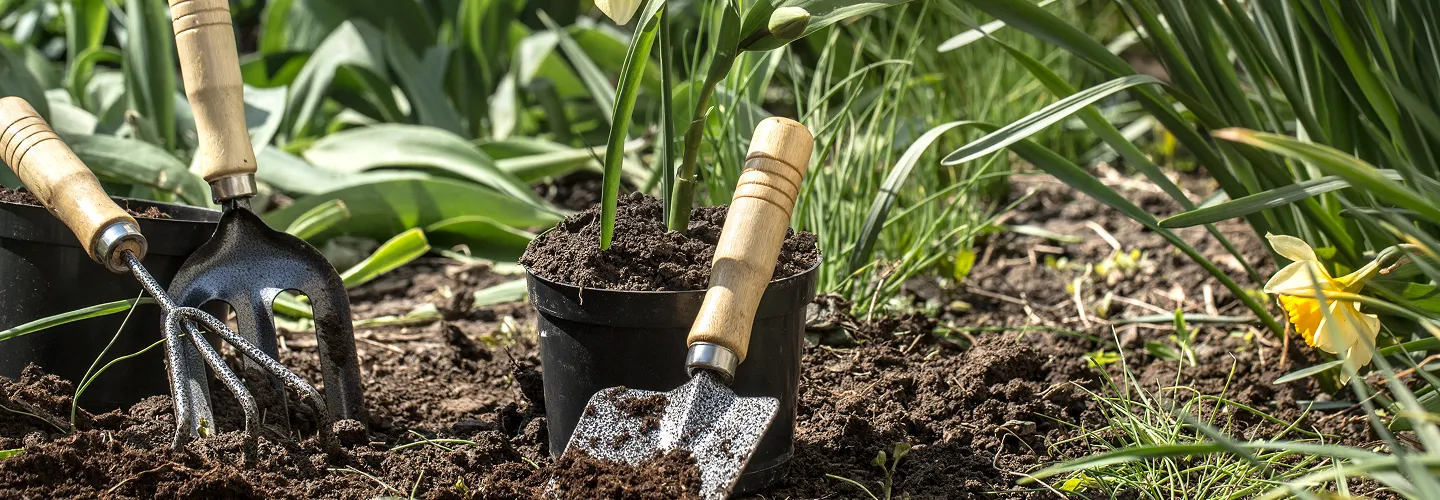
Snellville Lawn Renovation Services
Choose our expert Lawn Renovation services for a lush, healthy yard—our experienced team uses proven techniques and premium materials to restore your lawn’s beauty, boost property value, and ensure lasting results you’ll love.
Get a Free QuoteOur Snellville Landscaping & Yard Care Services
When to Schedule Lawn Renovation in Snellville, Georgia – Seasonal Guide
In Snellville, Georgia, timing your lawn renovation is crucial for achieving a lush, healthy yard that thrives year-round. The best periods for renovation are typically early fall and late spring, when soil temperatures are optimal for seed germination and root development. Snellville’s climate, characterized by warm, humid summers and mild winters, means that cool-season grasses benefit from renovation in September or October, while warm-season varieties respond best to work done in late April or May.
Local factors such as the proximity to Yellow River Park, the shade from mature oaks in neighborhoods like Brookwood Manor, and the clay-heavy soils common in the area all play a role in determining the right renovation window. Homeowners should also consider the average last frost date in early April and the potential for summer droughts, which can impact new growth. For more information on local environmental guidelines, visit the Sudbury municipal site.
Local Factors to Consider for Lawn Renovation in Snellville
- Tree density and shade coverage, especially in established neighborhoods
- Soil composition, with many areas featuring compacted clay
- Seasonal precipitation patterns and risk of summer drought
- Terrain variations, including slopes and drainage issues
- Municipal watering restrictions and local ordinances
Benefits of Lawn Renovation in Snellville
Enhanced Curb Appeal
Improved Lawn Health
Increased Property Value
Weed and Pest Reduction
Customized Landscaping Solutions
Expert Local Knowledge
Snellville Lawn Renovation Types

Sod Installation
-
Overseeding
-
Aeration Services
-
Topdressing
-
Soil Amendment
-
Weed Removal
-
Grading and Leveling
Our Lawn Renovation Process
Site Evaluation
Soil Preparation
Seeding or Sodding
Watering and Fertilization
Ongoing Maintenance
Why Choose Snellville Landscape Services
Snellville Homeowners Trust Us
-
Comprehensive Lawn Maintenance
-
Reliable Scheduling
-
Experienced Local Team
-
Competitive Pricing
-
Satisfaction Guarantee
-
Personalized Service Plans
-
Eco-Friendly Solutions
Snellville's Piedmont Red Clay Soils and Lawn Renovation Timing
Snellville sits within Georgia's Piedmont region in Gwinnett County, where soils are predominantly Cecil and Appling series — dense, red clay-based Ultisols with naturally acidic pH levels typically ranging from 5.0 to 6.0. These soils compact heavily under foot and equipment traffic, restricting root penetration and water infiltration. According to the USDA Web Soil Survey, Gwinnett County's Piedmont soils drain slowly in low-lying areas and can become waterlogged during heavy rainfall events. Snellville falls within USDA Hardiness Zone 7b, supporting warm-season turf grasses such as Bermudagrass, Zoysiagrass, and Centipedegrass. Successful lawn renovation in this zone requires:
- Soil testing to determine pH and amendment needs before seeding or sodding
- Core aeration at 2–4 inch depths to break compaction layers in clay-heavy areas
- Lime applications to raise pH toward the 6.0–6.5 range preferred by most warm-season grasses
- Timing renovation work between late April and mid-June when soil temperatures consistently exceed 65°F
UGA Cooperative Extension provides soil testing services and turf renovation guidance specific to Piedmont Georgia conditions.
Optimal Renovation Windows for Snellville's Warm-Season Turf
Snellville's climate, monitored by the National Weather Service Atlanta forecast office, features hot, humid summers with average July highs near 90°F and mild winters with occasional freezes between December and February. These conditions define narrow but critical windows for lawn renovation activities. Warm-season grasses — the dominant turf type in Snellville — require active soil warmth for successful establishment:
- Sodding window: Late April through August, with best results in May and June before peak summer heat stress
- Seeding window (Bermudagrass): Mid-April through June, when soil temperatures at 4-inch depth reach 65–70°F
- Overseeding with ryegrass: October through early November for temporary winter color, though this competes with warm-season recovery
- Aeration and dethatching: Best performed in May or early June when warm-season grasses are actively growing
- Avoid renovation: During drought stress periods in July–August without reliable irrigation, and during dormancy from November through March
Renovation projects initiated outside these windows risk poor establishment, increased weed pressure, and turf loss.
Protecting Snellville Stormwater Infrastructure During Lawn Renovation
Lawn renovation activities — including grading, tilling, seeding, and sod installation — disturb soil surfaces and significantly increase erosion and sediment runoff risk. Snellville's drainage network connects to Gwinnett County's broader stormwater system, which ultimately discharges into local tributaries including Yellow River and its associated creek corridors. The Georgia EPD Watershed Protection Branch oversees water quality standards applicable to these waterways under the Clean Water Act. Property owners undertaking renovation should implement the following erosion controls:
- Install silt fencing or straw wattles along downslope edges before any grading begins
- Avoid disturbing soil within 25–50 feet of drainage ditches, ponds, or creek banks
- Apply straw mulch or erosion control blankets immediately after seeding bare areas
- Limit soil disturbance to areas actively being renovated rather than the entire yard at once
- Confirm that no sediment-laden runoff enters storm drains or roadside ditches
Gwinnett County Water Resources administers local stormwater programs and can provide guidance on erosion control requirements for residential renovation projects.
Gwinnett County Water Resources
684 Winder Highway, Lawrenceville, GA 30045
Phone: (678) 376-6800
Official Website: Gwinnett County Water Resources
Snellville Code Enforcement Standards for Lawn Condition and Renovation Debris
The Snellville Quality of Life & Code Enforcement division enforces property maintenance standards that directly affect how and when lawn renovation work must be completed. Snellville's municipal code addresses nuisance vegetation, requiring that grass and weeds on residential properties not exceed 12 inches in height. During renovation transitions — when turf is removed, graded, or reseeded — bare soil areas and temporary debris accumulation can trigger code concerns if left unmanaged for extended periods. Property owners should be aware of the following:
- Renovation debris including dead sod, thatch, and soil amendments must not be stockpiled in the right-of-way or on adjacent properties
- Bare soil areas should be stabilized with straw, erosion matting, or temporary seeding within 14 days of disturbance
- Renovation projects that alter drainage patterns toward neighboring properties may be subject to additional review
- Confirm current debris placement and collection procedures with the Snellville Public Works Department before placing materials at the curb
Snellville Quality of Life & Code Enforcement
2342 Oak Road, Snellville, GA 30078
Phone: (770) 985-3500
Official Website: Snellville Quality of Life & Code Enforcement
Georgia Fertilizer Standards Applicable to Post-Renovation Turf Establishment
Following lawn renovation, fertilizer applications are essential for turf establishment but must comply with the Georgia Fertilizer Act of 1997, which governs product labeling, nutrient content claims, and registration requirements for fertilizers sold and applied in Georgia. The Georgia Department of Agriculture - Fertilizer program enforces these standards statewide. For Snellville properties, post-renovation fertilization should follow these evidence-based practices:
- Apply starter fertilizer with higher phosphorus ratios (e.g., 18-24-12) at seeding or sodding to support root development
- Conduct a soil test through UGA Cooperative Extension before applying nitrogen to avoid over-application on Gwinnett County's clay soils
- Avoid fertilizer applications within 10 feet of storm drains, drainage ditches, or impervious surfaces to prevent nutrient runoff
- Do not apply nitrogen fertilizer to warm-season grasses after September 1 to prevent late-season growth vulnerable to freeze damage
- Use slow-release nitrogen formulations during the establishment phase to reduce leaching through compacted clay profiles
Professional applicators must hold current Georgia Department of Agriculture licensing for commercial fertilizer applications.
What Neighborhoods Do We Serve Throughout Snellville, GA?
- Brookwood area (near Hwy 78 corridor): Established subdivisions with mature Bermudagrass and Zoysiagrass lawns that frequently require dethatching and aeration due to decades of compaction in heavy Piedmont clay soils.
- Lenora Park vicinity: Lots adjacent to Lenora Park's greenway corridors may have drainage easements and low-lying areas requiring careful grading assessment before renovation begins.
- Sawyer Road and Rosebud Road subdivisions: Newer and mid-age developments with variable fill soils from grading activity, often requiring pH correction and topsoil amendment prior to successful turf establishment.
- Pate Road and Wisteria Drive neighborhoods: Wooded residential lots with significant shade from mature hardwoods, where shade-tolerant Zoysiagrass varieties are more appropriate than Bermudagrass for renovation.
- Stone Mountain Highway (Hwy 78) frontage communities: Higher-traffic-adjacent properties with compacted roadside soils and right-of-way maintenance considerations that affect renovation scope and debris handling.
- Briscoe Park area: Proximity to Briscoe Park's recreational fields and detention features means stormwater sensitivity is elevated; erosion controls during renovation are particularly important in this zone.