
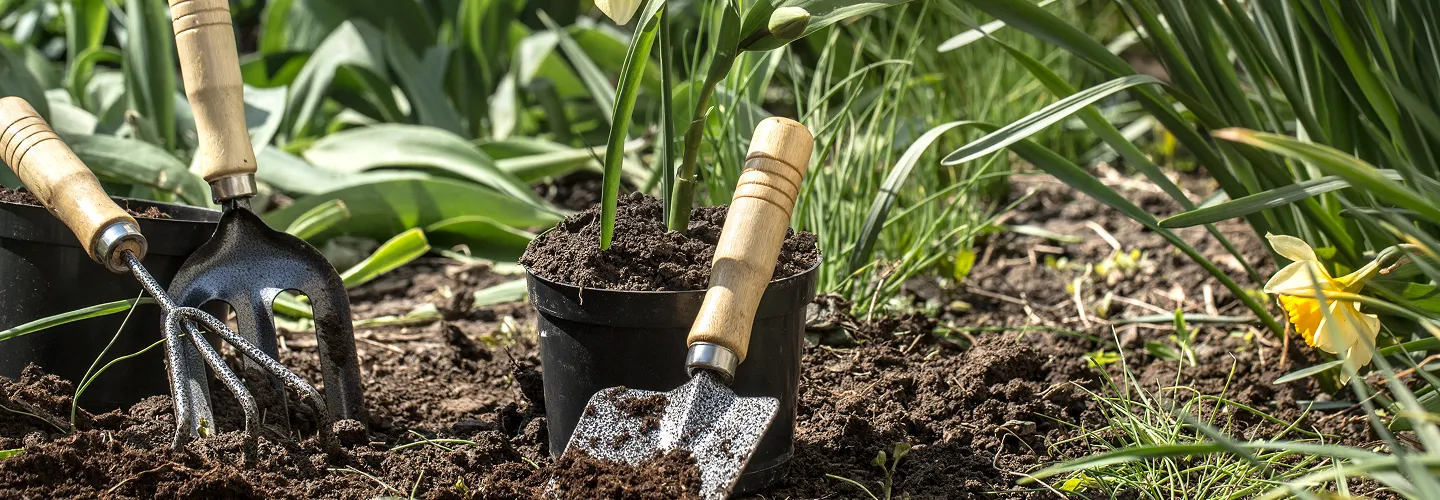
Snellville Flower Planting Services
Choose our flower planting services for vibrant, healthy blooms that enhance your home's curb appeal and create a welcoming outdoor space, all handled by experienced professionals who care about your satisfaction.
Get a Free QuoteOur Snellville Landscaping & Yard Care Services
When to Schedule Flower Planting in Snellville, Georgia – Seasonal Guide
Flower planting in Snellville, Georgia, is best scheduled with careful attention to our region’s unique climate and landscape. The ideal planting windows are typically early spring, after the last frost date in late March, and early fall, when soil temperatures remain warm but the risk of drought diminishes. Neighborhoods near Briscoe Park or along Scenic Highway often experience microclimates due to varying tree coverage and elevation, so timing can differ slightly from one area to another.
Local environmental factors play a significant role in successful flower planting. Snellville’s clay-heavy soils retain moisture but can become compacted, making soil amendment essential for root health. Humidity levels rise in late spring and summer, increasing the risk of fungal diseases, while shaded lots in subdivisions like Brookwood Manor may require different plant selections and timing than sunnier, open yards. Always consider municipal guidelines and resources, such as those found on the Sudbury town website, for up-to-date information on water usage and planting restrictions.
Local Factors to Consider for Flower Planting in Snellville
- Proximity to large trees and resulting shade coverage
- Soil composition and drainage, especially in older neighborhoods
- Average precipitation and risk of summer drought
- Frost dates and temperature fluctuations in early spring and late fall
- Terrain slope and potential for water runoff
- Municipal watering restrictions or planting guidelines
Benefits of Flower Planting in Snellville
Expert Local Knowledge
Customized Landscape Designs
Seasonal Plant Selection
Professional Installation Services
Enhanced Curb Appeal
Sustainable Landscaping Solutions
Snellville Flower Planting Types

Annual Flower Planting
-
Perennial Flower Beds
-
Native Wildflower Gardens
-
Seasonal Color Rotations
-
Pollinator-Friendly Plantings
-
Shade Garden Flowers
-
Drought-Tolerant Flower Selections
Our Flower Planting Process
Site Evaluation
Soil Preparation
Plant Selection
Careful Planting
Watering and Mulching
Why Choose Snellville Landscape Services
Snellville Homeowners Trust Us
-
Comprehensive Lawn Maintenance
-
Reliable Scheduling
-
Experienced Local Team
-
Competitive Pricing
-
Satisfaction Guarantee
-
Personalized Service Plans
-
Eco-Friendly Solutions
Snellville's Piedmont Red Clay Soils and Bed Preparation for Flower Planting
Snellville sits within Georgia's Piedmont region, where the predominant soil series include Cecil, Appling, and Madison soils — all characterized by dense red clay subsoils, moderate-to-poor drainage, and naturally acidic pH levels typically ranging from 5.5 to 6.2. According to the USDA Web Soil Survey, these clay-heavy profiles compact readily under foot and equipment traffic, limiting root penetration and water infiltration in planting beds. Before installing annual or perennial flowers, property owners should:
- Conduct a soil pH test through UGA Cooperative Extension to determine lime or sulfur amendment needs
- Incorporate 3–4 inches of compost or aged organic matter to improve drainage and aeration
- Till beds to a minimum depth of 8–10 inches to break compaction layers
- Avoid working clay soils when saturated, as this destroys soil structure
Snellville falls within USDA Hardiness Zone 7b, meaning most warm-season annuals can be established from mid-April through early May once soil temperatures consistently exceed 60°F.
Optimal Flower Planting Windows for Snellville's Long Warm Season
Snellville's climate, monitored by the National Weather Service Atlanta forecast office, features long, humid summers with average high temperatures exceeding 90°F from June through August and mild winters with occasional frost events between late November and early March. This extended warm season creates multiple viable planting windows for both annuals and perennials:
- Spring annuals (impatiens, petunias, marigolds, zinnias): plant after the last average frost date of approximately March 15–25; soil temperatures should reach 60°F
- Summer-tolerant perennials (coneflower, black-eyed Susan, daylily): establish in March through April for root development before peak heat
- Fall color annuals (pansies, snapdragons, ornamental kale): transplant from mid-September through October when daytime temperatures drop below 75°F
- Cool-season bulbs (tulips, daffodils): plant October through December after soil temperatures fall below 50°F
Avoid planting heat-sensitive species during July and August without supplemental irrigation, as Snellville's summer humidity combined with intense solar radiation can cause transplant stress within 48–72 hours of installation.
Protecting Snellville Stormwater Infrastructure During Flower Bed Installation and Maintenance
Snellville's stormwater drainage network, managed in coordination with Gwinnett County Water Resources, includes roadside swales, detention ponds, and piped inlets that collect runoff from residential and commercial properties throughout the city. Flower planting activities that disturb soil, apply fertilizers, or introduce mulch near these features can contribute to sediment loading and nutrient runoff if not properly managed. Property owners and contractors should observe the following practices:
- Maintain a minimum 10-foot buffer between active soil disturbance and any stormwater inlet, swale, or drainage ditch
- Apply granular fertilizers at label-specified rates and avoid application within 24 hours of forecasted rainfall
- Secure mulch with edging or erosion fabric on slopes greater than 5% to prevent displacement into drainage channels
- Avoid blowing or washing excess soil or plant debris into street gutters or storm drains
The Georgia EPD Watershed Protection Branch establishes water quality standards applicable to residential and commercial land disturbance activities. Compliance with the Clean Water Act and local stormwater ordinances is required for any grading or soil disturbance associated with bed installation.
Gwinnett County Water Resources
75 Langley Drive, Lawrenceville, GA 30046
Phone: (678) 376-6800
Official Website: Gwinnett County Water Resources
Snellville Code Compliance Standards for Planting Beds and Frontage Maintenance
The Snellville Quality of Life & Code Enforcement division enforces property maintenance standards that directly affect how flower beds and ornamental plantings are maintained on residential and commercial properties. Overgrown beds, invasive plant encroachment into rights-of-way, and uncontrolled vegetation along frontages may be subject to code review. Property owners should be aware of the following compliance considerations:
- Planting beds along public sidewalks and street frontages must not obstruct pedestrian visibility or encroach into the right-of-way without authorization
- Invasive ornamental species identified by UGA Extension — such as Chinese privet, English ivy, and Bradford pear — should be avoided in new plantings, as they can spread into adjacent properties and public corridors
- Bed edging and mulch must be contained within property boundaries
- Seasonal plantings in commercial zones may be subject to site plan or zoning review through the Snellville Planning & Development Department
Residents with questions about specific frontage or right-of-way planting restrictions should verify current requirements directly with the Quality of Life & Code Enforcement division before installation.
Snellville Quality of Life & Code Enforcement
2342 Oak Road, Snellville, GA 30078
Phone: (770) 985-3500
Official Website: Snellville Quality of Life & Code Enforcement
Selecting Heat- and Humidity-Tolerant Flowers for Snellville Landscapes
Snellville's combination of Zone 7b winters, high summer humidity, and clay-based soils requires careful plant selection to ensure long-term bed performance. Species that perform poorly in poorly drained clay or under sustained heat stress will decline rapidly without intensive intervention. Based on guidance from UGA Cooperative Extension, the following categories are well-suited to Snellville's conditions:
- Heat-tolerant annuals: zinnias, vinca (Catharanthus roseus), portulaca, celosia, and lantana thrive in full sun with clay-amended beds
- Shade-adapted annuals: impatiens and begonias perform well under the mature tree canopy common in older Snellville neighborhoods, provided drainage is adequate
- Native perennials: coneflower (Echinacea purpurea), black-eyed Susan (Rudbeckia hirta), and native salvia are adapted to Piedmont clay soils and require minimal supplemental irrigation once established
- Avoid: plants requiring consistently moist, well-drained sandy soils (e.g., lavender, rosemary in heavy clay) without significant bed amendment
Mulching beds with 2–3 inches of pine bark or hardwood mulch helps moderate soil temperature, retain moisture during dry periods, and suppress weed competition throughout Snellville's long growing season.
What Neighborhoods Do We Serve Throughout Snellville, GA?
- Brookwood area (near Hwy 78 corridor): Established residential lots with mature tree canopy and compacted red clay soils; shade-tolerant flower selections and deep bed preparation are particularly important in this area.
- Lenora Park vicinity: Properties near Lenora Park benefit from proximity to green space but may experience increased deer pressure on ornamental plantings; deer-resistant species selection is advisable.
- Sawyer Road and Centerville-Rosebud Road corridors: Newer subdivisions with fill soils and variable drainage; bed grading and soil amendment are often necessary before planting.
- Stone Mountain Highway (Hwy 78) commercial frontages: Commercial properties along this corridor are subject to frontage maintenance standards and may require coordination with the Snellville Planning & Development Department for landscape modifications.
- Pate Road and Wisteria Drive neighborhoods: Older, established subdivisions with larger lots, mature hardwood canopy, and significant shade coverage affecting sun-exposure plant selection.
- Briscoe Park area: Proximity to Briscoe Park's recreational corridors and detention features means stormwater runoff from adjacent planting beds warrants careful fertilizer and mulch management practices.